How Salt Affects Food Far Beyond Taste
Salt changes how proteins‚ water and sugars behave during cooking and affects texture‚ juiciness and yeast activity‚ not only the flavor of a dish.
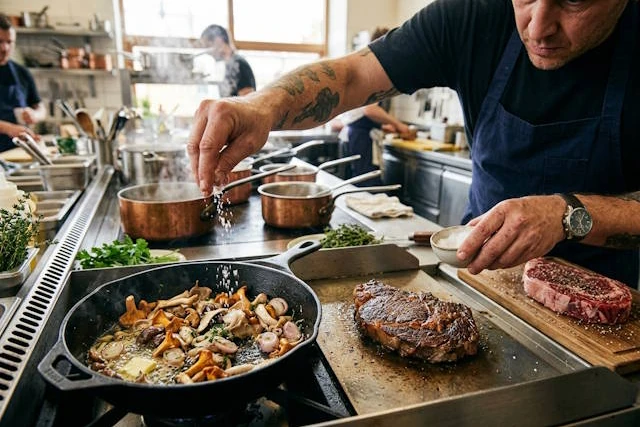
The way salt affects food far beyond taste comes from the fact that salt takes part in many chemical and physical processes during food preparation. When salt is added to different ingredients‚ it changes the way water‚ proteins and sugars behave as they are heated or mixed. This change can affect the texture‚ the color of the dish and the way flavors develop during cooking. That is why many recipes specify the exact stage at which salt is added‚ not just the total amount. Controlling when salt goes in makes it possible to influence the final result of the dish.
The Role of Salt in Protein Structure
The proteins found in many foods react differently when they come into contact with salt during cooking. Salt changes the structure of proteins and the way they bind with the water in the food. This process affects the texture of ingredients such as meat‚ fish or eggs as they are heated. When salt is added relatively early‚ it can help partly break down the protein structure. This change affects the tenderness and the texture of the finished dish.
How Salt Draws Out Liquid
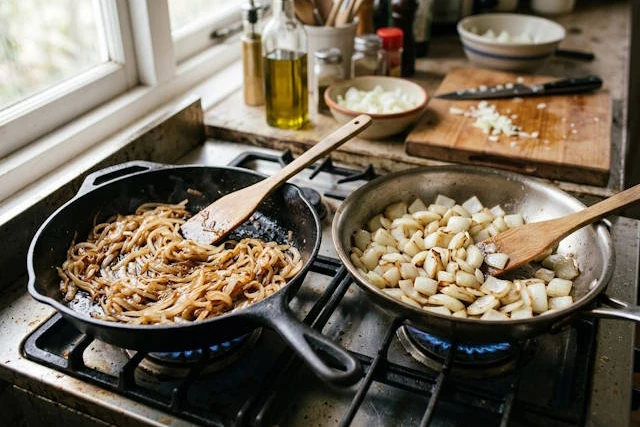
When salt comes into contact with vegetables or meat‚ it causes liquid to be released from the tissue of the food. This happens because salt changes the balance between the liquid inside the cells and the surrounding environment. As a result‚ water moves out and mixes with the other ingredients in the dish. This process can affect the concentration of flavors in the dish. That is why different cuisines add salt at different stages to control the amount of liquid.
How Salt Shapes the Perception of Flavor
Beyond its chemical role‚ salt also plays an important part in how the taste buds experience food. Salt can bring out the natural flavors of other ingredients and reduce bitterness in some cases. When salt is added in the right amount‚ the flavors of a dish can seem richer and more balanced. Without salt‚ on the other hand‚ various ingredients may taste flat. That is why the use of salt is tied to the overall balance of flavors.
The Role of Salt in Baking
In baking‚ salt also plays an important role in the processes that take place in the dough as it rises. Salt affects yeast activity and the rate at which the dough rises. When salt is added in the right amount‚ it is easier to control the structure of the dough and the final texture of the baked goods. Salt also strengthens the gluten network in the dough. This helps the dough keep a stable shape during baking.
Summary
Salt is a key ingredient in the kitchen not only because of its taste but also because of its role in many processes inside food. It affects protein structure‚ the release of liquids and the balance between the different flavors in a dish. It also plays an important role in the processes that take place during baking and rising. Understanding its role makes it possible to use salt more precisely while cooking. When salt is treated as an active ingredient in the cooking process‚ it is possible to achieve richer and more balanced results.