How Changing Schools Affects Children‚ Even When They Seem to Settle In Quickly
Even when a child seems to settle into a new kindergarten or school within days‚ adjusting to new people‚ rules and routines takes much longer.
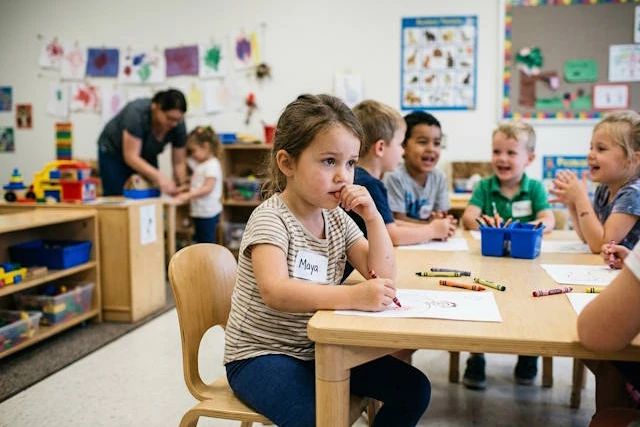
The way changing schools affects children‚ even when they seem to settle in quickly‚ shows just how much a new environment reshapes a child's everyday life. A move to a new kindergarten or school usually brings new people‚ different rules‚ another daily routine and new expectations from the adults around the child. For many children‚ the move means relearning social codes and getting used to a new atmosphere. Even when children quickly join in the regular activities of their new class‚ ongoing adjustment continues in the background. Understanding this complexity can help parents look at the transition from a wider angle.
What a New Environment Means for Children
When children start at a new school or kindergarten‚ they meet a social structure different from the one they knew before. The new setting has different authority figures‚ classmates with other personalities and rules that are not necessarily the same as in the previous one. Children have to learn how to function within this system and understand what is expected of them in each situation. This takes time‚ even when from the outside it looks as if they have fit in very quickly. Adjusting to the new reality sometimes happens in stages that are not visible right away.
Emotional Reactions That Are Not Always Visible
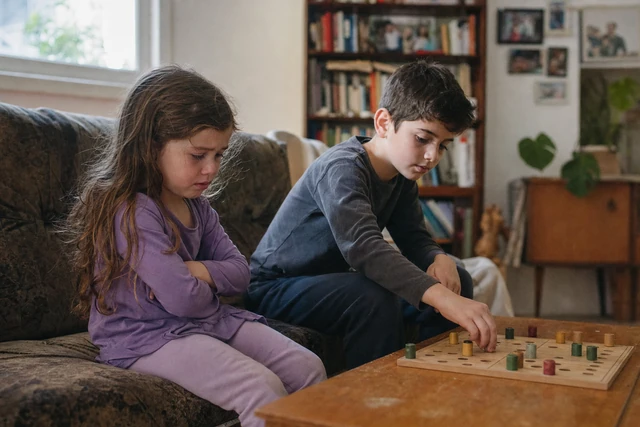
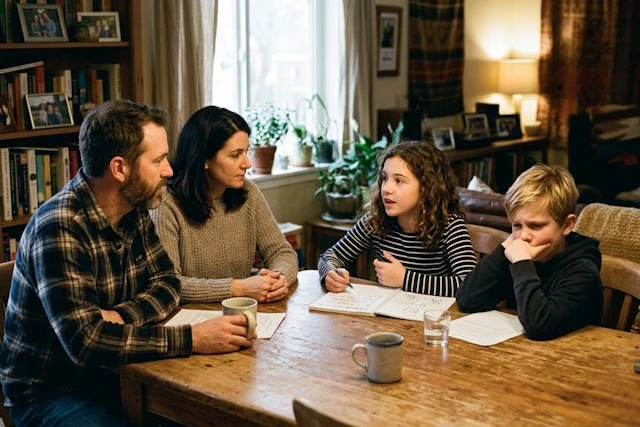
Many children do not immediately express all the feelings that come up after a change of school or social setting. Some choose to behave as usual because they want to fit in or want to avoid special attention. Even so‚ feelings such as worry‚ excitement or confusion may appear at different stages after the move. Sometimes these reactions only show up after a while‚ once the child already feels safer in the new environment. That is why it is important to watch behavior over time and not rely only on first impressions.
The Influence of a New Peer Group
Every new setting has a group of children who already know the place and its rules. Children who join an existing group need to learn how to fit into the social structure that has already formed. This includes understanding the social dynamics and the ways children communicate with each other. Sometimes children quickly take part in group activities but keep looking for their social place for a long time. Becoming part of the group is an important part of adjusting to the new setting.
Coping with a Different Routine
Moving to a new setting often means a significant change in a child's daily routine. Activity hours‚ types of tasks and behavioral demands may differ from those in the previous school or kindergarten. Children have to adapt to a new pace and to different expectations from the adults who look after them. This process may happen gradually‚ even when outward behavior seems completely normal. Getting used to the routine is a central part of the transition.
Summary
Moving between schools or kindergartens is a complex process that combines social‚ emotional and behavioral change in children's lives. Even when adjustment looks quick from the outside‚ deeper inner processes are sometimes taking place. Understanding what the change means allows parents and educators to approach the transition with more sensitivity and awareness. Looking at the process as a whole can help create a sense of security for children during a time of change. Awareness of how adjustment works makes it possible to offer the right support over time.