How Poor Technique Creates Strain Even in a Relatively Light Workout
Inaccurate technique spreads load unevenly across muscles and joints‚ so even a light workout can lead to fatigue and pain over time.
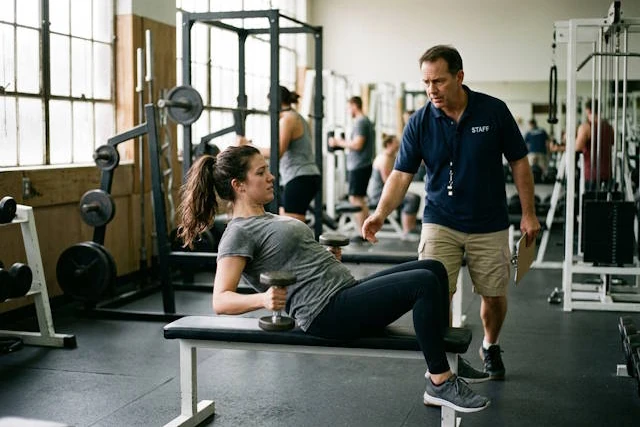
Poor technique creates strain even in a relatively light workout because the movement is not distributed evenly across the different muscle groups. When some muscles work harder than others because an exercise is performed inaccurately‚ the body has to compensate for the imbalance by placing extra load on certain areas. This can happen even in fairly basic exercises that involve no heavy weights or extreme effort. Over time‚ this load builds up and can lead to muscle fatigue‚ local pain or discomfort in the joints. That is why even a workout that looks easy can become a burden when the movement is not performed correctly.
Distributing Load Between Muscle Groups
When an exercise is performed precisely‚ the body engages several muscle groups in a relatively balanced way throughout the movement. Proper load distribution allows each muscle to take part in the work according to its natural role. When the movement is not performed accurately‚ some muscles work beyond their usual capacity during the workout. This creates local strain that builds up in one area instead of being shared across several parts of the body. As a result‚ early fatigue or pain after the workout sometimes appears.
Changing Movement Angles in the Joints
Performing exercises at an angle that does not suit the natural movement pattern of the joints can create unnecessary strain. When the angle of the knee‚ shoulder or back changes in an unplanned way during an exercise‚ the pressure on the joint increases. Even a relatively small inaccurate movement can affect how forces are distributed inside the joint. This is not always felt immediately during the workout itself. Even so‚ after several sessions‚ discomfort may appear around the joint involved.
The Role of Posture During a Workout
Correct body posture during physical activity allows the muscles to work more efficiently and in a more balanced way. When the back‚ pelvis and shoulders are held in a relatively stable position‚ the movement is smoother. On the other hand‚ when posture shifts during an exercise‚ some muscles are forced to work in a way that does not suit them. This increases the load on certain areas of the body. That is why maintaining stable posture is an important part of training.
Why Movement Awareness Matters
Movement awareness is the ability to notice how the body moves while performing an exercise. When trainees are aware of the position of their hands‚ legs and back‚ mistakes in movement can be spotted in real time. This awareness makes it possible to make small corrections that prevent unnecessary strain on the body. In addition‚ paying attention to movement improves the quality of the exercise. This process also helps make the workout more effective.
How Professional Coaching Helps a Workout
In many cases‚ professional coaching can help identify movement mistakes that are not always felt during a workout. An experienced instructor can notice small changes in movement and suggest adjustments that reduce strain on the body. Such guidance is especially important when practicing complex exercises or when returning to activity after a long break. Even experienced trainees can benefit from outside feedback on how they perform. That is why professional coaching improves the quality of training.
In Summary
An effective workout does not depend only on the amount of effort or the weight lifted during the activity. The way a movement is performed has a significant effect on the load placed on the body during training. When exercises are performed precisely‚ the muscles and joints work in a more balanced way. In contrast‚ inaccurate movement can create cumulative strain even in a workout that seems relatively light. That is why movement awareness and correct technique help keep the body healthy over time.