How Table Layout Changes the Way Guests Interact
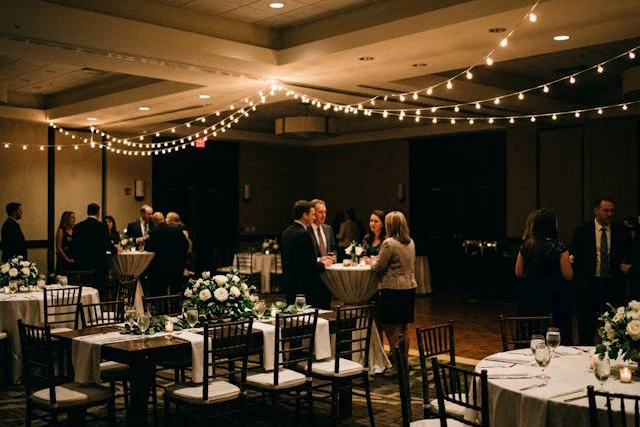
Table shape‚ the distance between tables and their position around the dance floor all shape how easily guests talk and move around an event.
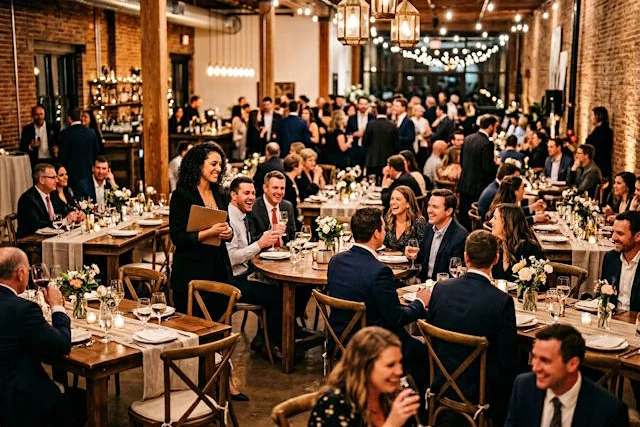
The way table layout changes the way guests interact shows how the design of a space can shape social dynamics throughout an event. When tables are placed to allow easy movement and a wide line of sight‚ people tend to start new conversations and move between different groups. When seating is isolated or too far from the center‚ however‚ some guests may feel less involved in the overall atmosphere. The right table layout can therefore change how guests experience the event from beginning to end. Understanding this principle helps create a more open social setting.
The Structure of the Event Hall
The structure of the venue largely determines the options for arranging tables and the overall feeling of the place. Large halls sometimes allow a variety of seating areas connected by open walkways. When the space is evenly divided between seating areas and areas for movement‚ guests can move comfortably between different parts of the event. This sense of openness encourages interaction between people who do not know each other in advance. That is why many event planners first examine the features of the space before deciding where to place the tables.
Choosing the Shape of the Tables
The shape of a table has a significant effect on how guests communicate while seated. Round tables usually allow comfortable eye contact between everyone and encourage a shared conversation among all those sitting around them. Rectangular tables‚ by contrast‚ often create seating in which interaction happens mainly between people sitting side by side. The choice between shapes often depends on the type of event and the number of guests at each table. This decision can affect the social atmosphere around the table.
The Distance Between Seating Areas
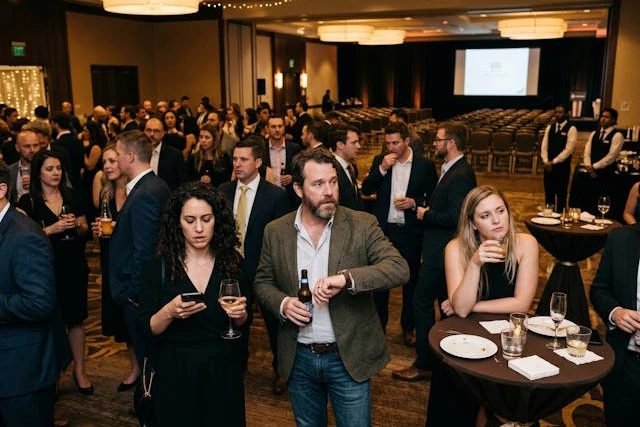
The distance between tables affects guest comfort and the ability to move around during the event. When tables are too crowded‚ guests may find it hard to move and interaction between different groups becomes more complicated. Wider spacing‚ on the other hand‚ allows easy movement and short conversations with people at nearby tables. Planning the distance between seating areas is an important part of creating a natural flow through the space. The right spacing can strengthen the sense of openness at the event.
A Central Location for the Main Activity
Many events have a central area where the main activity of the evening takes place‚ such as a dance floor or a speech area. The position of this area in relation to the tables affects how involved guests feel in the activity. When tables are placed so guests can easily see what is happening at the center‚ they tend to feel part of the event. Tables placed far from the center‚ on the other hand‚ can create a certain sense of disconnection. That is why planning the table layout around the focal point of the event is especially important.
Summary
Table layout is a design element with a broad effect on the atmosphere and on interaction between guests. The structure of the space‚ the shape of the tables and the distance between them together create a social system within the physical space of the event. When seating is planned with care‚ it is possible to create a setting that encourages conversation‚ movement and a sense of togetherness among guests. Understanding the effect of table layout makes it possible to turn an event into a more pleasant and welcoming experience for guests.