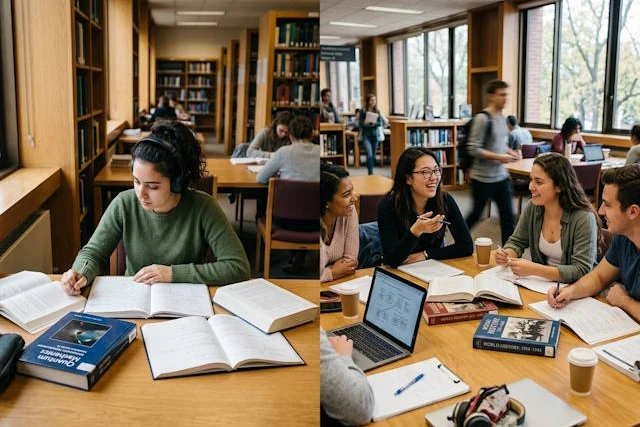
How Practicing Past Exams Improves Results More Than Rereading the Material
Practicing past exams trains recall from memory‚ builds familiarity with the exam structure and helps students manage their time better.
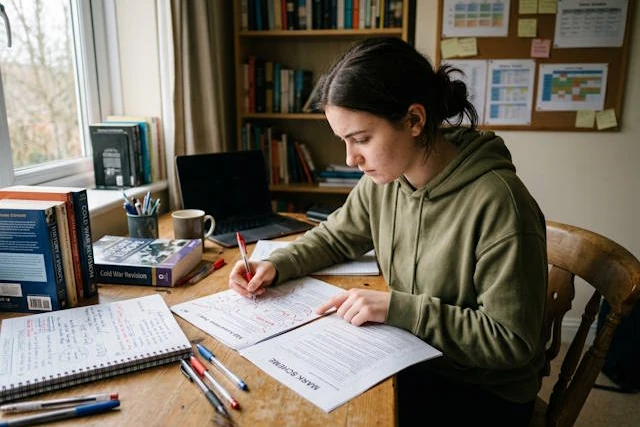
Practicing past exams improves performance more than rereading the material because it simulates real exam conditions. When students practice questions similar to those that will appear on the exam‚ they see how their knowledge will actually be required. This kind of practice calls for retrieving information from memory rather than just passively reading written material. Active retrieval strengthens long-term memory and helps students understand how to use knowledge in different situations. That is why practicing past questions becomes a central tool in exam preparation.
Why Active Retrieval of Information Matters
When students try to answer questions without immediately turning to their summaries‚ they activate the mechanism of retrieval from memory. This process requires more cognitive effort than simply reading the material. Despite the initial difficulty‚ active retrieval strengthens connections in the brain and helps retain information over time. When students repeat the process several times‚ the information becomes more accessible during the exam. That is why working with practice questions helps consolidate knowledge.
Getting to Know the Exam Structure
Many exams follow a fixed structure that shapes the type of questions and the way they are worded. Students who practice with past exams learn to recognize these patterns. Being familiar with the exam structure reduces the element of surprise during the exam itself. When students understand how the questions are worded‚ they can focus on the content rather than the format. This process contributes to more consistent performance.
Managing Time During the Exam
Practicing past exams lets students estimate how much time each type of question takes. When you practice under conditions that simulate the real exam‚ you can learn to divide your time more efficiently. Students who know how long each part of the exam takes are better able to cope with pressure. This practice reduces mistakes caused by running out of time. That is why working with past exams also helps with time management.
Identifying Weak Spots in Your Learning
When students practice questions from a previous exam‚ they can identify topics where their understanding is still partial. Recurring mistakes point to areas where the material needs further reinforcement. Spotting these areas early makes more focused learning possible. This way‚ time can be invested in the most important topics before the exam. The process contributes to more effective preparation.
In Summary
Practicing past exams is a central tool in exam preparation because it requires active use of the knowledge learned. Working with questions similar to those on the exam helps you understand the exam structure and improve recall from memory. In addition‚ the practice helps with time management and with identifying weak spots in learning. Combining practice with reviewing the material creates a more balanced preparation process. This way‚ you can arrive at the exam with confidence and a greater ability to handle the questions.